The OpenClaw Lobster Handbook: Choosing a Breed and Postnatal Care
Which version of 🦞 OpenClaw to raise, what feed to give it, what environment to keep it in, and what to do if it gets sick after birth.
Translated by AI
The OpenClaw lobster handbook: choosing a breed and postnatal care
Which version of 🦞 OpenClaw to raise, what feed to give it, what environment to keep it in, and what to do if it gets sick after birth.
(“Lobster” is the Chinese internet nickname for an OpenClaw agent. In this handbook, the breed is the version, the tank is the device it runs on, and the feed is the model.)
Lately, circles of every size have started raising lobsters. But when people actually get in the water, many find the first hurdle isn’t how to raise one; it’s not knowing which lobster to choose. The wrappers, hosted versions, platform versions and lightweight versions 🦞 that have grown up around the original OpenClaw now form a vast underwater ecosystem. The problem is no longer a lack of lobsters but far too many. Some people go straight for the most expensive, newest, flashiest one, and three days later find they can’t keep it alive 😂. So this handbook isn’t about lobster snobbery. It’s about how to choose and raise the lobster that suits you: different lobsters (versions) suit different tanks (devices) and feeds (models), plus how to give your 🦞 postnatal care (how to revive a lobster that’s gone belly-up).
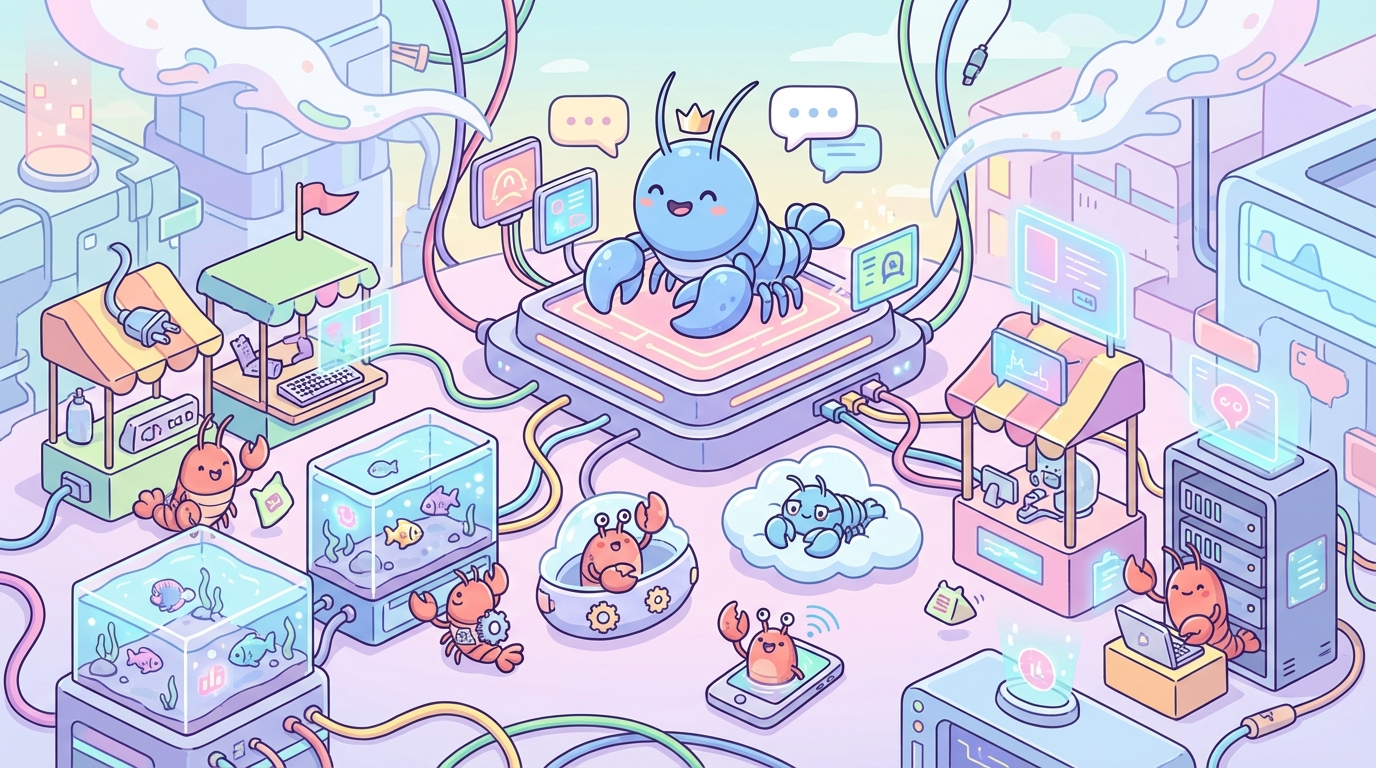
Figure 1 | The OpenClaw ecosystem is like a busy but stratified lobster market.
1. Know your breeds: what lobsters are on the market
1. Imported purebred: OpenClaw itself, pure bloodline, full abilities, big appetite
The first kind is the official purebred original, OpenClaw itself (https://github.com/openclaw/openclaw). Its strengths are straightforward: it evolves fast, it can do everything, it has a strong ecosystem, and new features usually appear here first. If you want new abilities as soon as they land, maximum freedom, and full say over how the tank is built, what it’s fed and which skills it gets, the purebred 🦞 is your first choice.
Its problems are just as typical. First, it eats a lot: with complex tasks and heavy workflows especially, feeding costs more than you’d expect. Second, it’s demanding about its environment: local configuration, chat entry points, browser, model APIs, permission boundaries. If any link isn’t smooth, it starts sulking. Third, for the Chinese-language environment and local experience, it’s often less docile than the improved breeds that have been tamed since.
So the imported purebred suits two kinds of people: those willing to tinker, research and pay for freedom; and those who already have fairly mature conditions for raising one. Beginners who charge straight at the purebred are easily put off 🥹.
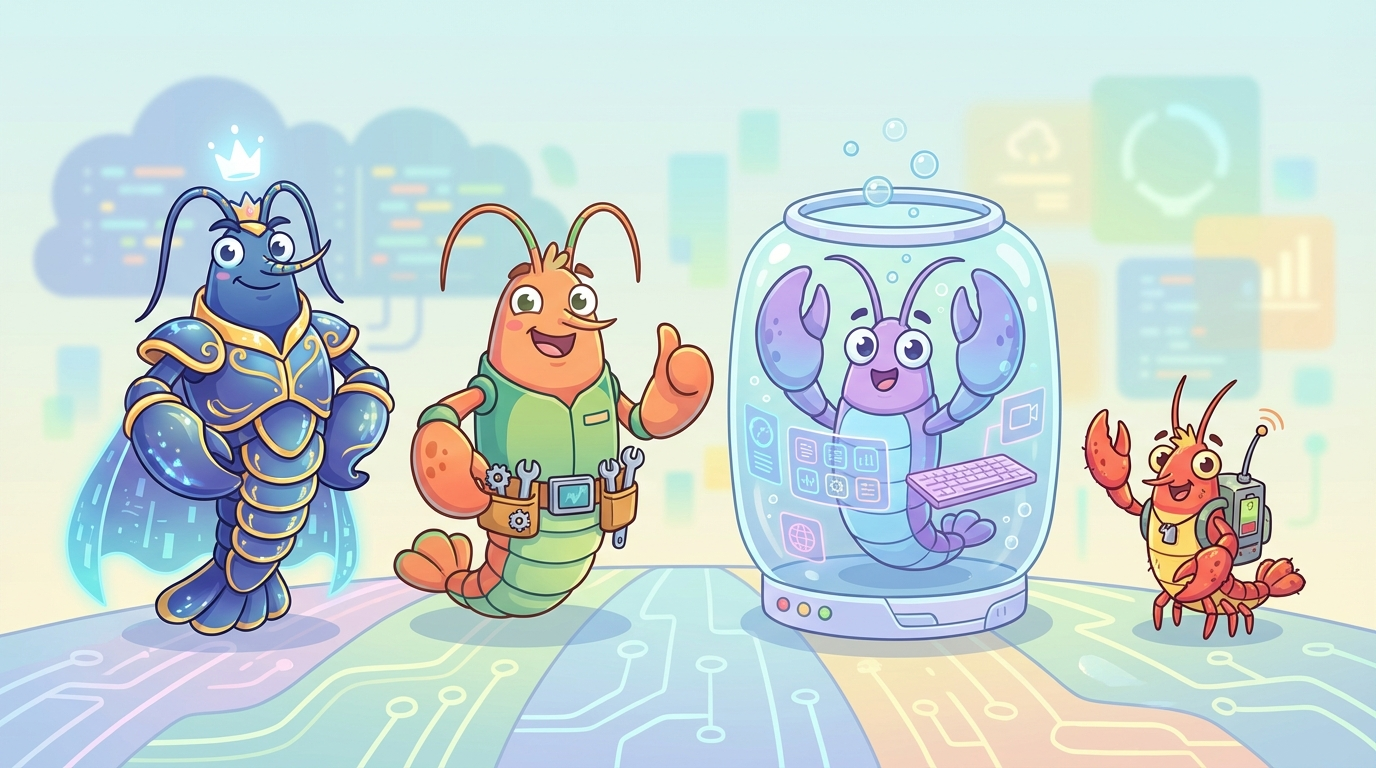
Figure 2 | Purebreds, local improved breeds, specialised breeds and crayfish each have their own niche.
2. Local improved breeds: down to earth, fairly easy to raise, right for most people
If OpenClaw itself is the purebred, then AutoClaw, EasyClaw and Clawbox are local improved breeds. Their core value isn’t being “stronger than the official one” but being easier to keep alive. Others have already stepped on many of the landmines for you, the Chinese-language environment is friendlier, and the common chat entry points, installation and local deployment are usually smoother.
These suit people who aren’t interested in the breed for its own sake but want to get a lobster alive, talking and working as soon as possible. You don’t need to train yourself into an aquaculture expert first, or memorise every water-chemistry formula on day one. Give it a decent tank and reasonably reliable feed, and it will usually come to life.
There’s a price, of course. They may lag a little behind upstream, freedom is sometimes a bit lower, and some advanced moves and new features have to wait for the local manual to catch up. But for most people that isn’t a drawback; it’s a lower mortality rate. At the seafood market, the most expensive thing has never been the bloodline. It’s the cost of bringing one back to life.
3. Specialised breeds: great in their own pond, moody when you change ponds
These lobsters weren’t bred to roam the open sea but tamed for a specific platform, host environment or set of work scenarios. Think of QClaw, CozeClaw, KimiClaw, MaxClaw, the Feishu lobster, MiClaw and others in this group. Their greatest strength isn’t generality but fit.
If your daily work already happens mostly on one platform, these lobsters feel remarkably handy. They know where the doors are, where the slots are and how to work with existing processes. Quick to deploy, quick to land, quick to deliver. Before long you get the feeling that this lobster isn’t “the new hire”, it’s always lived here.
But the problem is precisely that fit. The more deeply it’s coupled with its host, the more noticeably its vitality drops outside that pond. Scoop it out of its familiar pond into another tank, and it’s like a veteran employee suddenly reassigned: not that it can’t do the work, it just can’t be bothered to learn the world all over again. So these suit people who’ve settled on their main battlefield, not those still testing the waters and switching platforms.
4. Crayfish: tough, cheap, survivable, good for dipping a toe in
The crayfish line was never about being “strongest” but about “staying alive first”. PicoClaw and NanoClaw are typical; going further towards minimalism, variants like TinyClaw, which compress the abilities into something very light, very thin and very easy to start with, also belong to the crayfish family.
Their strengths are real: cheap, tough, low hardware requirements, and usually not too fussy about tank or feed. If you just want to test the waters and see whether lobster-raising suits you, or want a low-cost, low-power little creature that at least moves, a crayfish is usually the most sensible way in.
No need to dress up the drawbacks. Crayfish have few skill slots and a limited ceiling. They suit light tasks, basic conversation and simple workflows, not long chains, many steps and high complexity from the start. Ask it for light work and it’s fine; ask it to carry steel bars and you’ll get a very basic seafood reaction: it either plays dead or crawls about aimlessly.
So a crayfish is more of a good transitional pet: it lets you build a feel for raising one, work out how to set up the tank, how to feed it and how to check on it day to day. It may not be the final answer, but it may well be the best first lobster for most people.
2. Then look at the habitat: put the same lobster in the wrong tank and it dies
1. Local tank: controllable, private, low latency, and much real work can only be done locally
A local tank is how many people naturally start. A computer, a NAS, a mini PC, a Raspberry Pi: anywhere you can put water counts as a tank. Its biggest advantage is control. The tank is right in front of you, you adjust the water quality, you manage the hardware, privacy is higher and latency is usually lower.
More importantly, some work can practically only be done locally: opening your local browser, logging into your own accounts, letting it operate in the desktop environment you actually use, especially UI tasks that need mouse clicks, logins and real interfaces. Here the local tank has a clear advantage. Many things that seem like “just opening a browser” are a completely different level of difficulty in the cloud.
The local tank has drawbacks too: when you shut down, it sleeps; when the power goes, it falls silent; leave home too long and it starts questioning its existence. So the local tank suits scenarios that need strong control, strong locality, logged-in accounts and real desktop operation.
2. Cloud pond: stable and always online, maintenance is fine; the hard part isn’t ops but “it’s not your computer”
Many people’s first reaction to a cloud pond is “maintenance must be a pain”. It’s not as bad as it used to be. VPSs, hosted environments and container setups mostly come with mature operations, and day-to-day maintenance isn’t the biggest barrier. The real problem is: however stable the cloud is, it isn’t your computer.
Your local browser, your logged-in sessions, your personal software, your desktop, the path of your mouse clicks: none of these exist in the cloud by default. Especially for tasks that rely heavily on local accounts and local UI, you’ll clearly feel that the cloud pond can keep it online but can hardly replace your real machine.
So the cloud pond suits background, automated, always-on tasks that don’t depend much on local accounts. It’s good as a night-shift pond, not necessarily as the main tank where all your work happens.
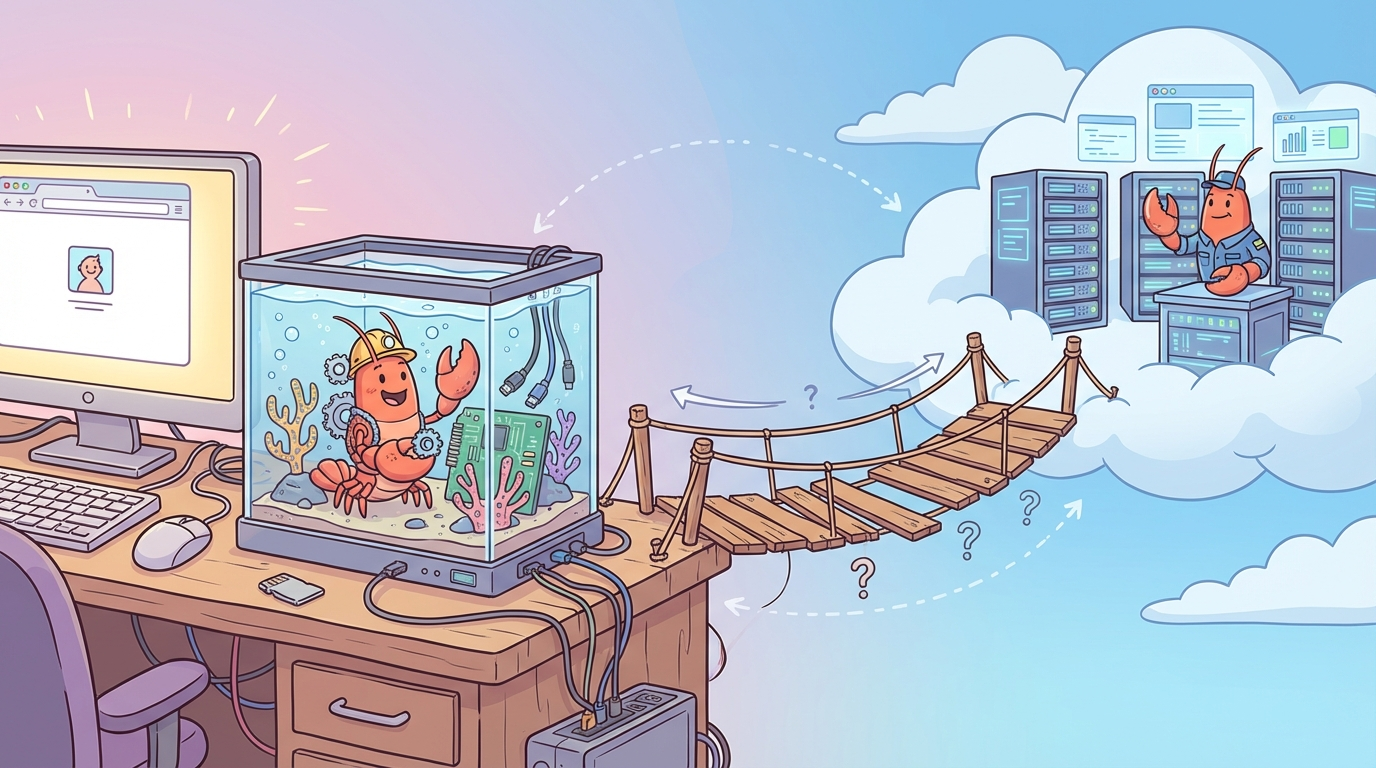
Figure 3 | Local tanks and cloud ponds each have strengths, but the cloud is never your own computer.
3. Amphibious: lives locally and in the cloud, but lobsters easily die in migration
Many people’s ideal lobster can be raised both locally and in the cloud: kept on the desk most of the time, then moved to a cloud pond when it’s time to scale. Nothing wrong with the idea, and it’s a very common path.
But the most dangerous stage of amphibious raising isn’t everyday life; it’s migration. A path that works in your local tank won’t necessarily work in the cloud. Local environment variables, permissions, browser, paths and logged-in sessions often have to be redone in a new pond. Many keepers fail not because they can’t raise lobsters but because they assumed “it’ll be the same after the move”.
So the barrier to amphibious raising isn’t conceptual; it’s care and patience during migration. Rush that step and the death rate goes up.
3. Feed matters: not every lobster eats the same food
1. Imported feed: GPT, Gemini, Claude, very nutritious but expensive
The classic imported feeds are GPT, Gemini and Claude. They share strong abilities and a high ceiling; they really do hold up better on many complex tasks, and in writing, reasoning, programming and complex workflows they often leave you thinking “this feed is the real deal”.
But the problem is plain: they’re expensive, and not every lobster needs such rich food at every meal. Feeding a lightweight crayfish premium feed long term isn’t necessarily a nutritional upgrade; it may just burn through your budget. And different tanks, interfaces and task chains convert feed with different efficiency, so sometimes the feed is fine but your setup isn’t ready to digest it. Rush into imported feed and your 🦞’s daily rations may cost more than your own…
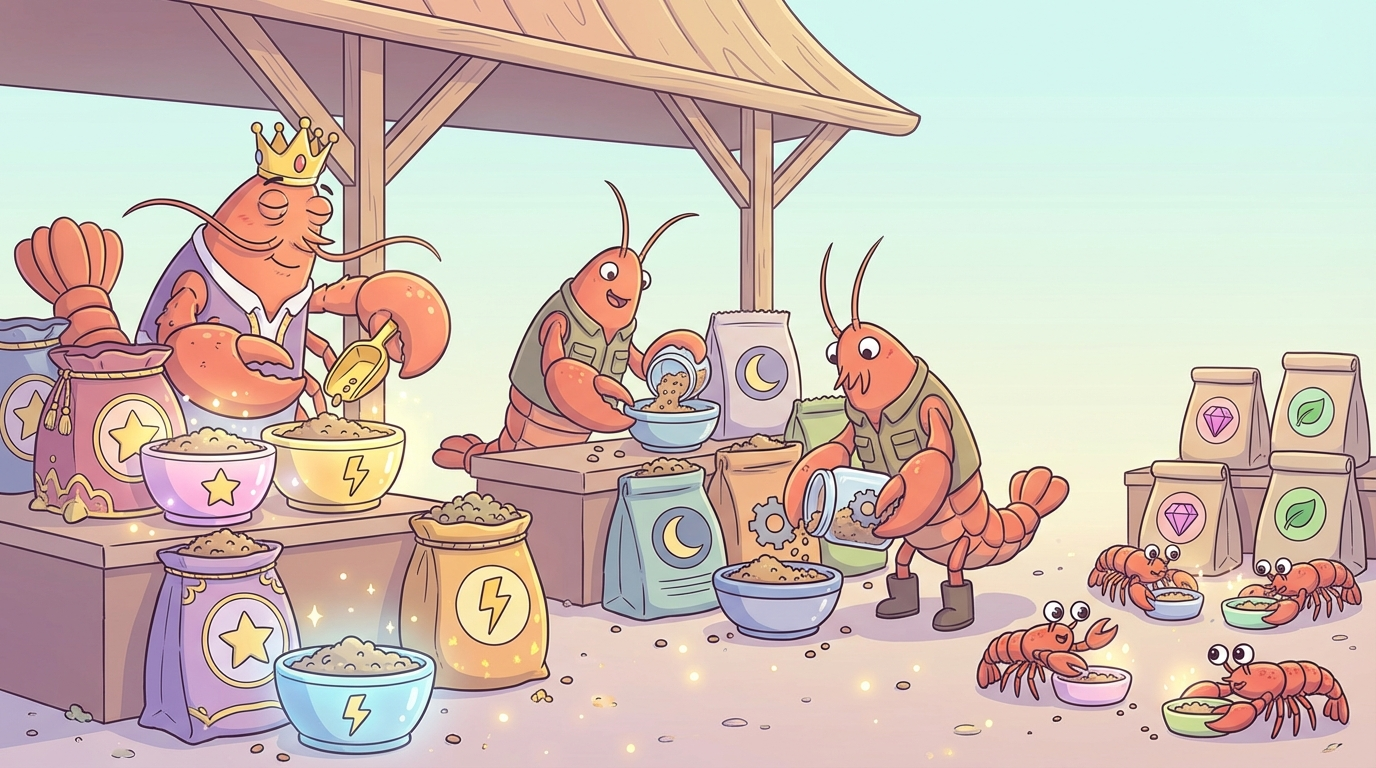
Figure 4 | Different lobsters suit different feeds. The most expensive isn’t always the best; what suits it is what you can keep feeding.
2. Domestic feed: Kimi, Qwen, DeepSeek, GLM, MiniMax, Doubao, down to earth and good value
There are plenty of domestic Chinese feeds too, such as Kimi, Qwen, DeepSeek, GLM, MiniMax and Doubao. Their biggest advantage isn’t just price but fit. They often understand Chinese tasks and domestic APIs better, and are closer to what local users actually do.
For most local improved breeds, specialised breeds and practical-minded keepers, domestic feed is often the steadier staple. It may not be the most dazzling, but it’s usually easier to keep feeding long term, and opening a bag doesn’t feel like making a financial investment in seafood.
3. Subscription feed: coding plans from Volcano Engine, GLM, MiniMax, Alibaba Cloud and others, convenient, but someone else decides the recipe
Subscription feed means monthly fixed-quantity feeding plans from cloud vendors and platforms. Volcano Engine, GLM, MiniMax, Alibaba Cloud and others already offer something along these lines to varying degrees: models, endpoints, quotas and calling methods all packaged for you.
The biggest advantage is convenience. You don’t have to pick a recipe from a heap of loose feeds or worry about endpoints and compatibility each time; it’s very much open-the-bag-and-serve. For people who want to get started quickly, that’s genuinely attractive.
The problem is just as clear: the subscription fee is fixed, but how much each lobster eats isn’t. When a lobster has a lot of work, the plan’s portion may run short or the feeding rate may not keep up, and the lobster easily goes on strike.
4. Proprietary feed: many lobsters on cloud platforms are tightly bound to that vendor’s models
Proprietary feed is especially common in the cloud. Many cloud-hosted lobsters are inherently tied to their vendor’s models, APIs and supporting services. Feed it in that environment and it eats happily; try to change the feed, the pond or the supply, and things get noticeably harder.
That doesn’t make proprietary feed bad. In its intended environment, it’s often the smoothest, steadiest and least fiddly option. But if you later want to migrate, mix breeds or do more complex cross-pond work, that binding becomes a new constraint. So proprietary feed suits people who’ve settled on a long-term pond, not those still undecided.
5. Black-market feed: the most common “smuggled goods” are proxies and relays of GPT, Gemini and Claude
The most common smuggled feed isn’t some secret recipe; it’s usually reverse proxies, relays and resellers of GPT, Gemini and Claude. They keep surviving in the market for simple reasons: flexible, cheap, and sometimes genuinely handy in an emergency.
But their problems are an open secret: unstable sources, so it works today and may be cut off tomorrow; cheap-looking prices that don’t necessarily add up in the long run; and worst of all, your whole setup ends up resting on a shaky supply chain, possibly of adulterated feed. Fine for emergencies or testing, but for long-term raising you’ll eventually have to return to a stable, legitimate supply.
4. Matching keepers: who should raise which lobster, in which tank, on which feed
1. The curious keeper: get one alive first, then talk about dreams
If you just want to find out what OpenClaw 🦞 actually is, the best strategy is usually very simple: keep it alive first.
These people are best starting with a specialised breed, preferably on domestic or subscription feed, preferably in a cloud pond. Don’t set the goal as “this lobster takes over my whole workflow within three days”; get it alive, talking and doing a few basic things, and build a feel for keeping it.
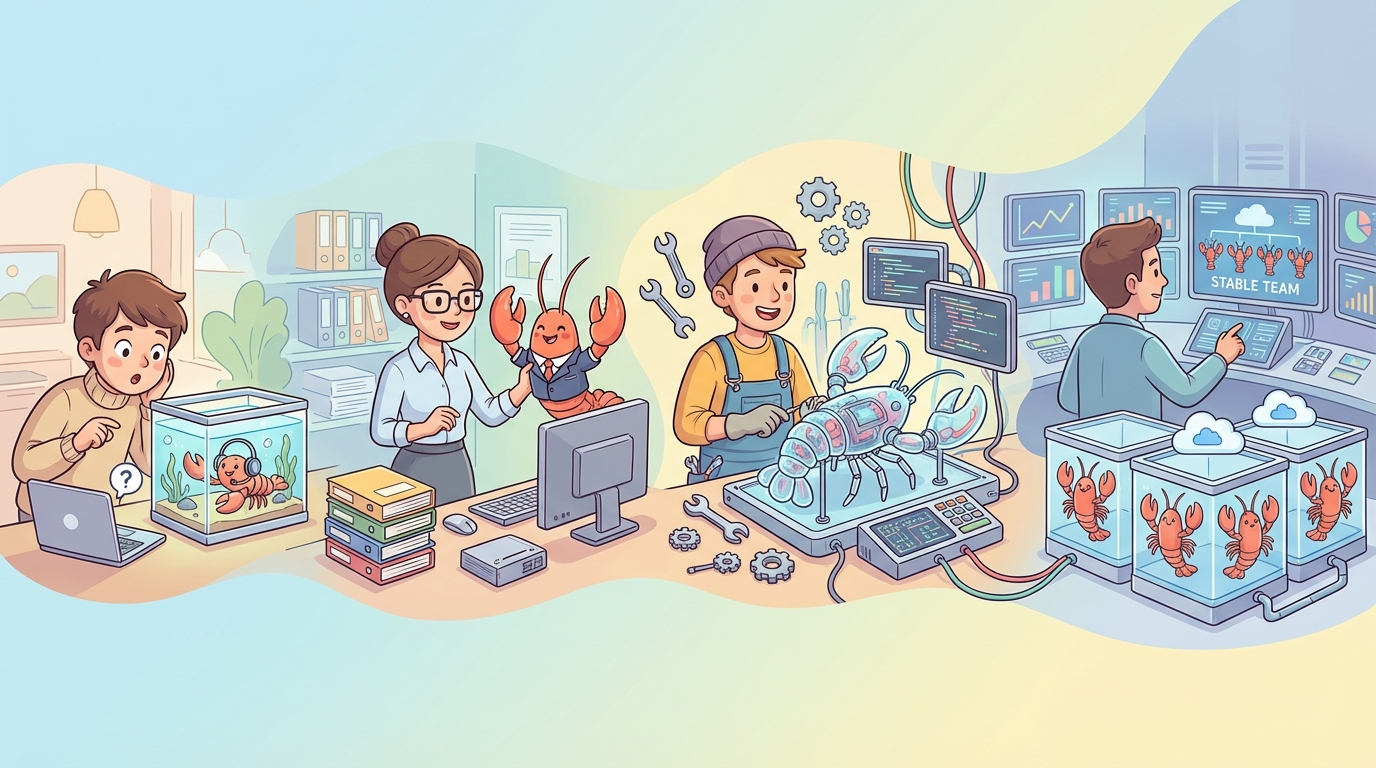
Figure 5 | First work out what kind of keeper you are, then decide which lobster and which tank.
2. The low-maintenance keeper: you do want to raise it well, you just don’t want to fix the pump every day
These people want to get to work quickly, not study tank construction every day. The best fit is a local improved breed or a specialised breed, in a mature local tank or cloud pond, on domestic or subscription feed, topped up with proprietary feed if needed.
The point isn’t chasing the strongest, but the smoothest overall system. Every day you spend not tinkering is a day you can focus on “getting the lobster to work” instead of “why has it suddenly gone quiet today”.
3. The tinkerer: the point isn’t buying the most expensive, it’s building a good tank first
These people usually want more than “it works”: “why is this better”, “can it be tuned further”, “where’s the ceiling”. They suit the imported purebred or a more flexible local improved breed, and their feeding usually goes the imported-plus-mixed route.
But the point isn’t hopping between ponds; it’s building a good local tank first. For a tinkerer, a good local tank isn’t an accessory, it’s a laboratory. You have to accept that you’ll keep adjusting the water, switching feed and watching the lobster’s mood swings.
4. The business keeper: you want steady output, not seafood stunts
Business keepers usually care about stability, replicability, staying online long term and having fewer incidents. For them, a more sensible combination is often a mature local improved breed plus specialised breeds, mainly in cloud ponds with local and cloud mixed where needed, fed mostly on subscription, proprietary and stable domestic feed.
What they should least be distracted by is the myth of “the strongest single lobster”. Business keeping isn’t about picking a star; it’s about building a system. What you want isn’t “this lobster is so clever today” but “can it keep delivering steadily this week”.
5. Postnatal care: handling common stress reactions after it enters the tank
By now many people think that choosing the breed, tank and feed is the end of it. Wrong! Real keeping starts once it’s in the tank. Like all premium seafood, lobsters usually show some degree of stress when they first go in. Some don’t speak on day one; some go belly-up on the wrong feed; some suddenly run out of food mid-use; and the scariest ones hit a rebellious phase as they grow.
So this section is a first-aid manual for the postnatal period.
1. Silent on day one: check the feed first, then the mouth
When a lobster won’t talk, many people assume the chat entry point isn’t connected. That’s not wrong, but the order is often backwards. The standard procedure is: first check whether it’s being fed, then check whether its mouth is attached.
First, check that the LLM API key is set. A lobster has to eat before it has the strength to speak. Second, if you’re using a third-party service or relay feed, check not only the key but also the model endpoint and how it’s being fed. Often the problem isn’t the lobster; you’ve plugged the feeding tube into the wrong place.
Only once you’ve confirmed the feed is going in and it still won’t talk should you check whether the chat app connection is broken. Here’s a very useful diagnostic fork: even if the chat app isn’t configured, its built-in local UI can usually still talk. So if the local UI works but the chat app doesn’t, the lobster probably isn’t dead; the external mouth just isn’t attached properly.
2. Belly-up after the wrong feed: food for chit-chat and food for heavy lifting aren’t the same
Some accidents are especially unfair. It chats fine normally, then convulses as soon as a complex workflow starts, and the keeper wrongly concludes the breed is no good. Often it’s not the breed; it’s not enough feed.
Different skills and task chains need very different feed. Ordinary feed can handle chit-chat but not necessarily long call chains, multi-step tasks and complex workflows. The more complex the work, the more expensive, plentiful and continuous the feeding needs to be.
3. Feed cut off: it used to talk, then suddenly stopped; suspect the supply first
This happens a lot: fine yesterday, silent today. Many keepers think “that’s it, it’s dead”. More often the reality is that it isn’t dead; it’s just out of food.
The standard check is simple. First see whether the model API, quota and endpoint are working; then whether the chat app and external entry points are acting up. If the feed and chat entry are fine but the lobster is still off, go back to the local UI and take a look. As long as the local UI still talks, the lobster is usually alive and the problem is external rather than internal.
4. Dead from the wrong feed: if the attending vet is out, call in the seafood next door
Sometimes it’s more blunt: the lobster is completely gone and responds to nothing. Don’t just stand by the tank staring; call for help. Get Codex, Claude Code or OpenCode from next door to consult. If you don’t have those on your machine yet, ask friendly community stallholders like Doubao, DeepSeek or Tongyi Qianwen how to bring them onto your computer first.
5. The rebellious growth phase: lobsters that update fastest are most likely to suddenly stop recognising you
Growing fast is a good thing. But growing too fast often means tantrums around updates. Working yesterday, won’t start after today’s upgrade; knew you the day before, acts like it has amnesia after the update. What many keepers actually run into isn’t “lost functionality” but a “rebellious growth phase”.
The steadiest care isn’t crying after the fact; it’s backing up the whole folder before upgrading. Think of it as making a copy of its reasonably obedient childhood in advance. If it really does rebel, at least you can send it back to childhood 🥹.
6. The golden rule of postnatal care: if it can still talk, ask it first
Finally, a principle more important than any technical detail: if the lobster can still talk, ask it first when something goes wrong.
Often the lobster knows best where it’s stuck. Ask for its logs, listen to its description, let it explain its own symptoms; only when it can’t speak at all should you get other seafood to rescue it. The longer you’re in this trade, the more you’ll find that control isn’t what matters most; diagnosis is. Learn to always trust your own lobster first 🥹.
7. Don’t forget to let it sleep
They say restarting fixes 99% of problems. Don’t forget the lobster accepts some hard commands that bypass the model, such as /stop (stop the current task), /new (start a new conversation and drop the context) and /restart (restart the gateway). These let your lobster get a good night’s sleep. It may forget a lot, but often a good sleep is all it needs 😂.
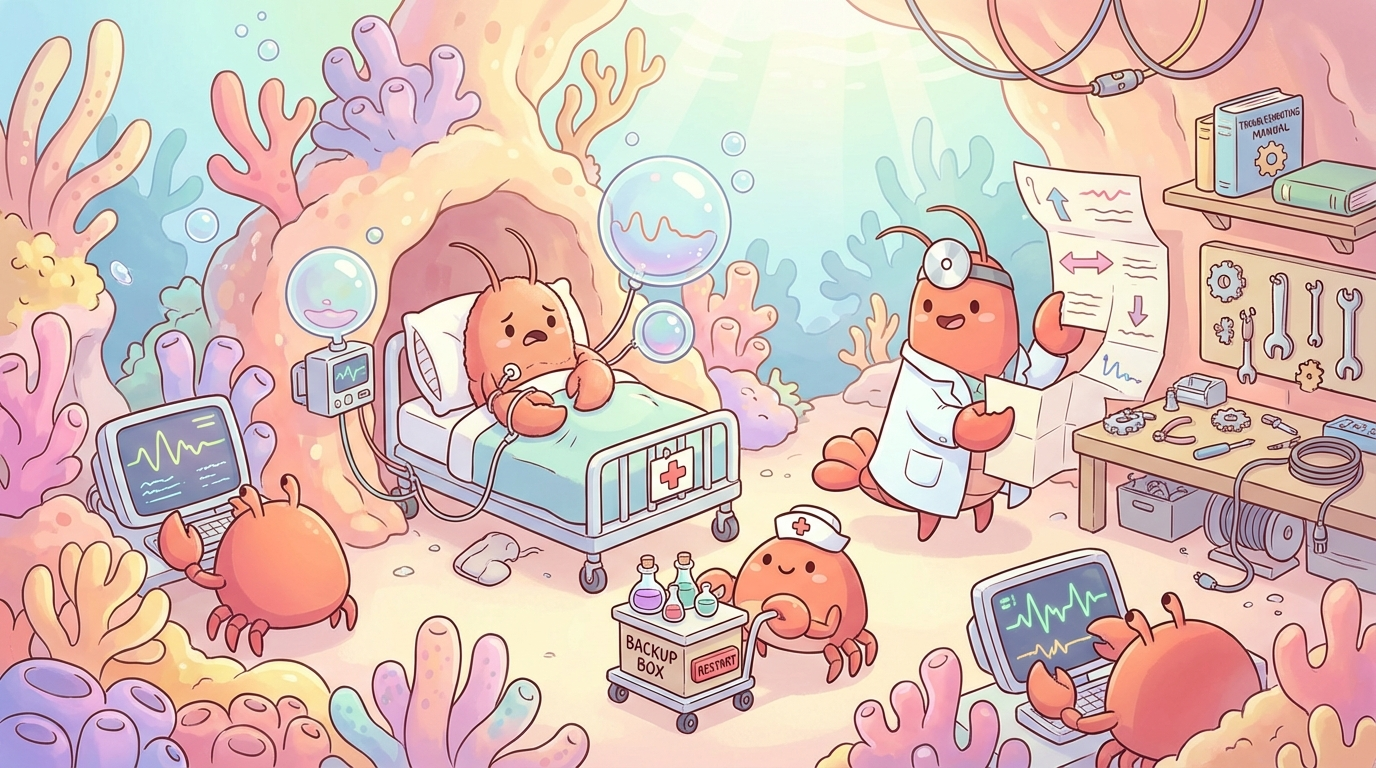
Figure 6 | Troubleshooting, backups and restarts are all part of postnatal care.
6. Final advice on choosing: don’t ask which is most expensive, ask who you are
OpenClaw itself isn’t automatically right for everyone, and local improved breeds aren’t automatically second-best. Specialised breeds aren’t a tax on the gullible, and crayfish aren’t toys. Every kind of lobster on the market has its place and its fate. The question was never “which lobster is best” but “which lobster suits you right now”.
So the right questions are never “which one is most expensive” but these:
- Where am I going to keep it?
- What feed can I reliably give it long term?
- How much tinkering am I willing to do?
- Am I raising it to play with me, or to work for me?
Think these through and you’re unlikely to buy the wrong lobster. Skip them, and even the most expensive lobster may just bring home a pricey dose of seafood anxiety.
One last line to stick by your tank: choosing a lobster isn’t about bloodline first; it’s about what kind of lobster you want, where you’ll keep it, what you’ll feed it and what it’s for. Only keepers who can diagnose have any business with premium breeds.